Computed Tomography (CT) Scan
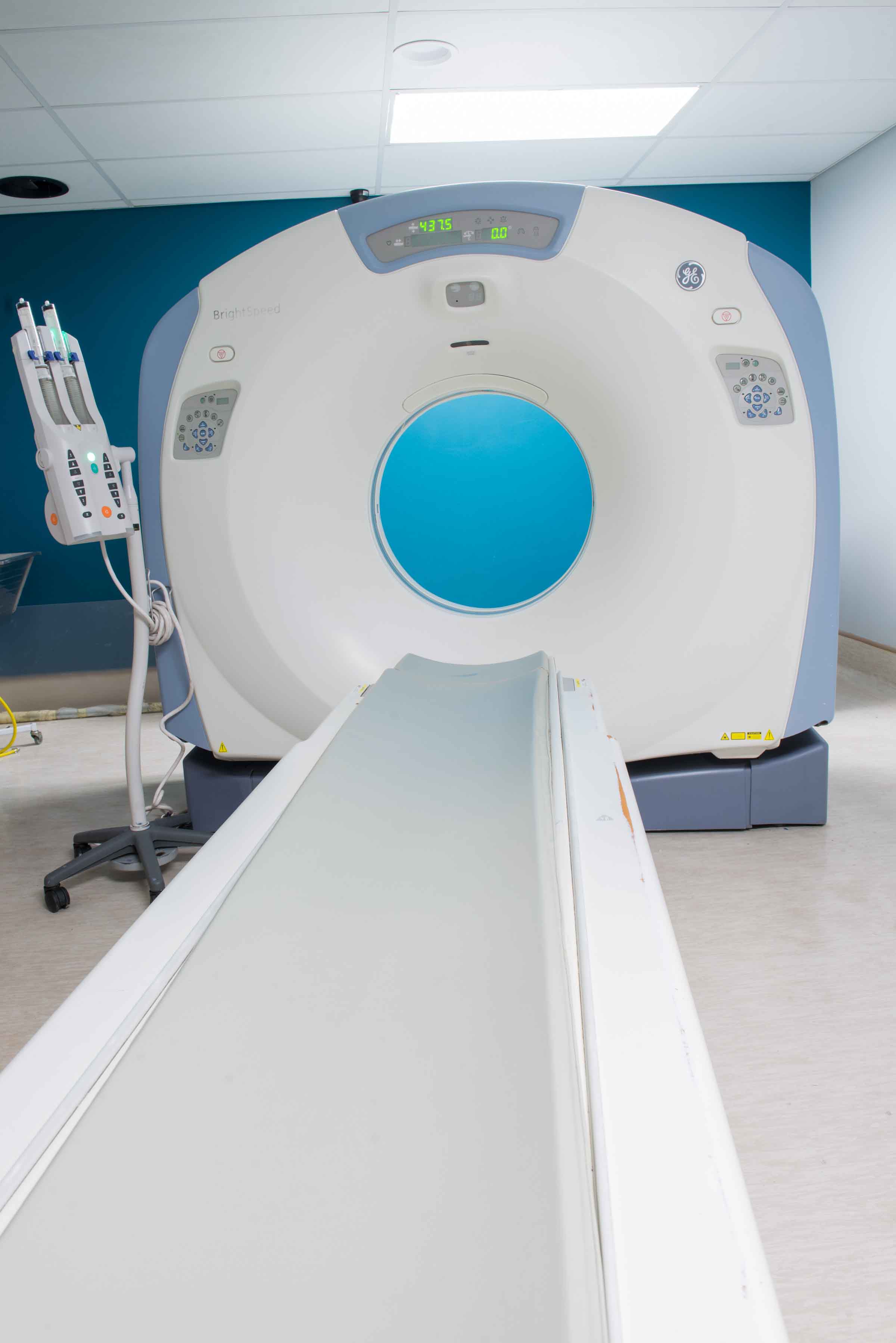
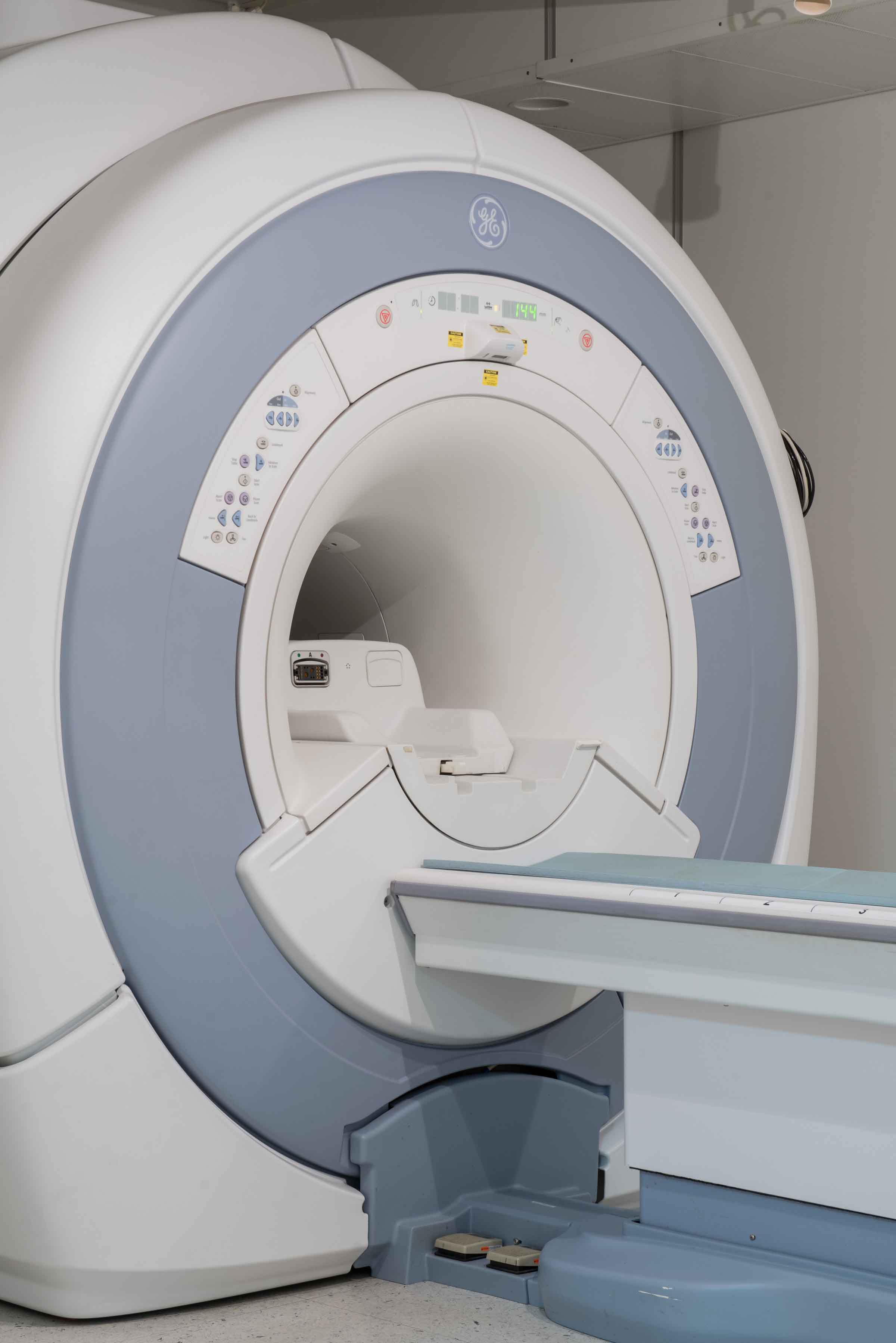
Computed tomography (CT) is a fast and patient friendly imaging procedure that uses x-rays to create cross-sectional pictures or ‘slices’ of your body. CT images are produced using X-ray technology and powerful computers.
How the Test is Performed
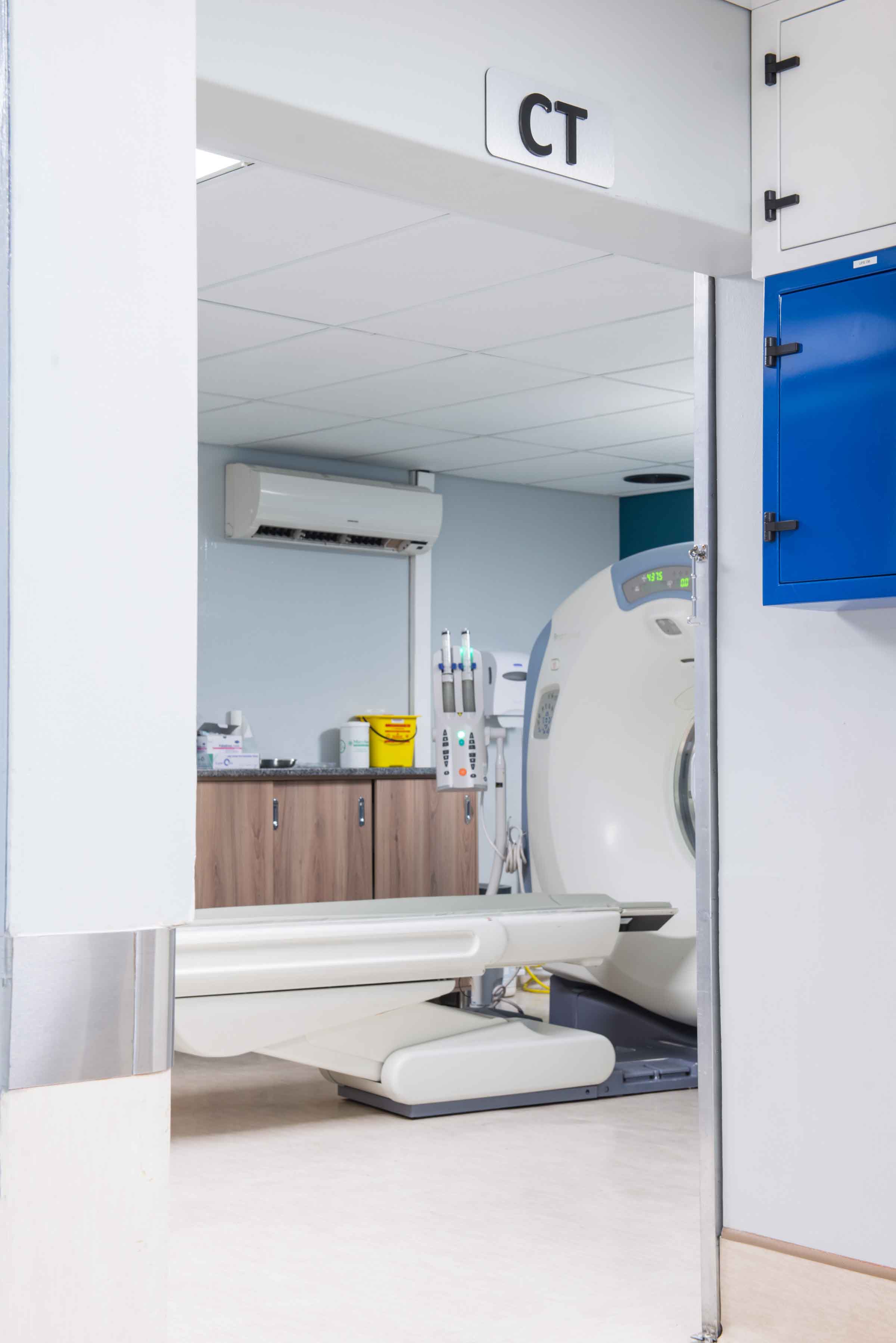
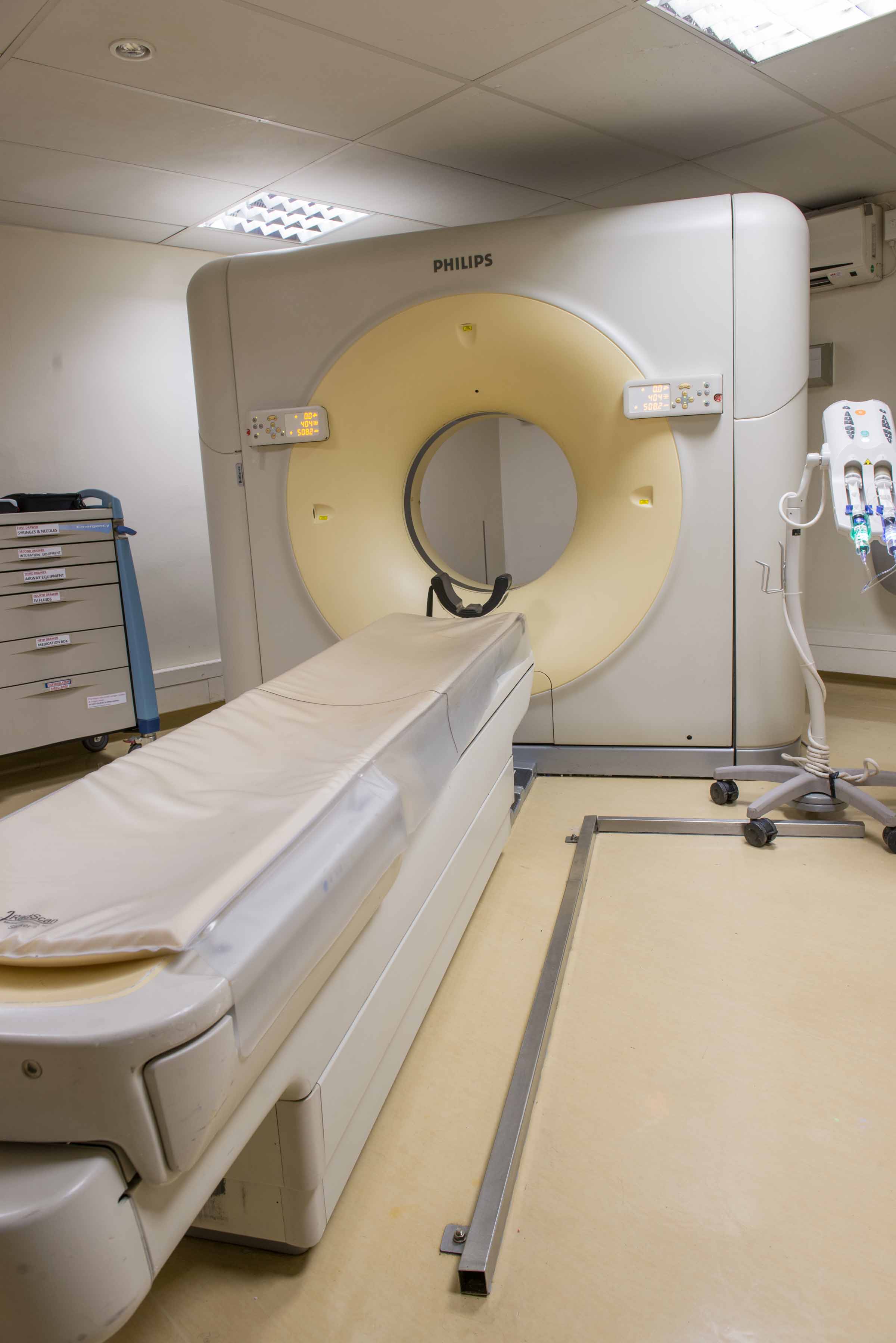
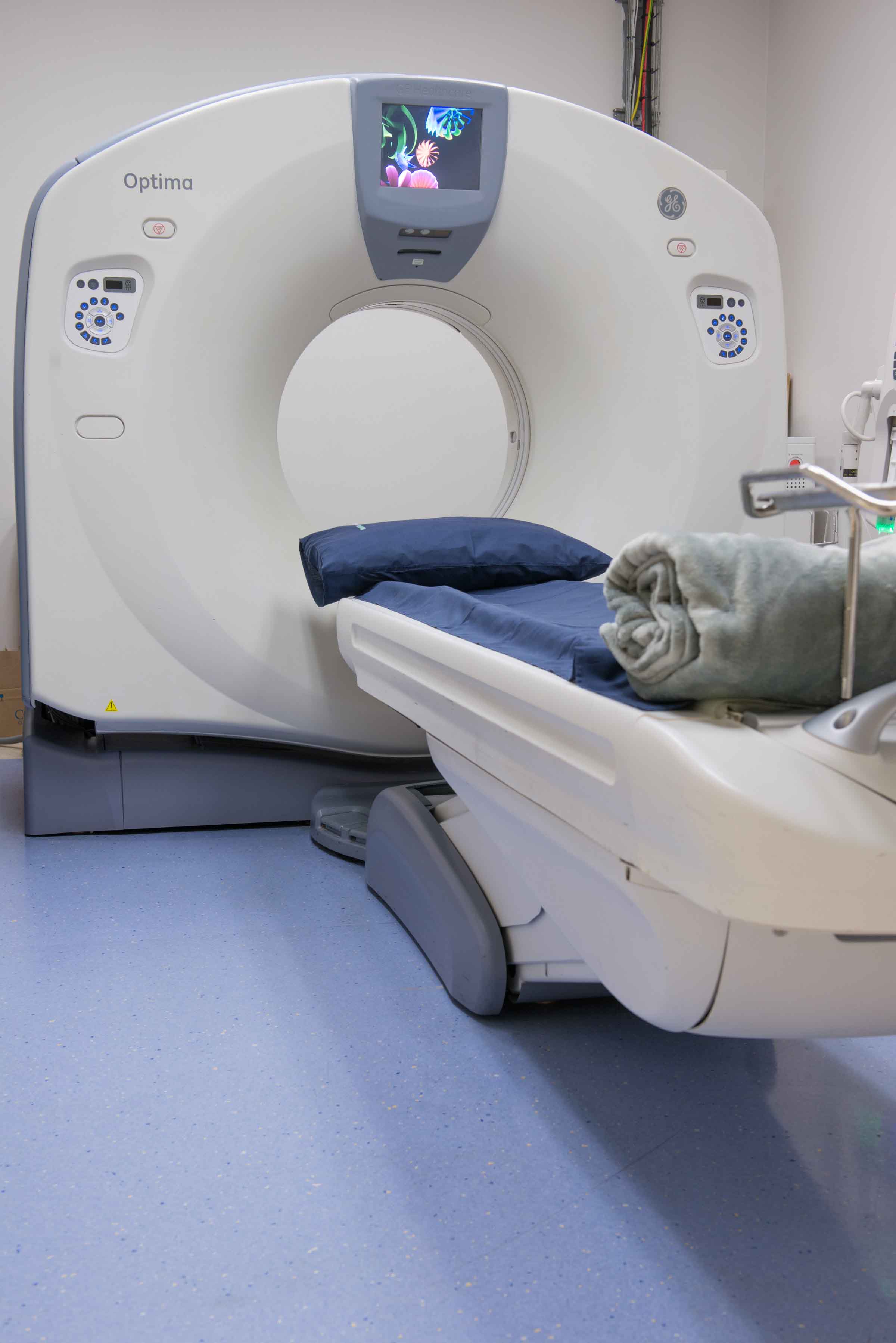
You will be asked to lie down on a narrow table that slides into the centre of the CT scanner.
Once inside the scanner, the machine’s rotating x-ray beam will cause some clicking and whirring noises. You must remain still during the examination as movement causes blurred images. Normal, relaxed breathing is allowed. Certain scans, such as chest CT do require controlled breathing during parts of the scan.
Supporting pillows, cushions or straps will be used to help you remain in position.
We are proud to have modern, top of the range spiral CT scanners which allow scans to be performed in a single breath-hold. Generally, completing a scan only takes a few minutes.
We use a computer to process all the information received and create several cross sectional imaging slices. These images can be viewed on a monitor, printed on film or recorded onto a CD. Reconstructed images, in multiple planes, can be used to create 3D models of your body.
How to Prepare for the Test
You will be asked to remove jewellery and wear a hospital gown during the study. All metal objects interfere with image quality.
Oral contrast is needed for certain examinations, which you need to commence drinking 2-3 hours prior to the study. It is a special fluid which is usually diluted with water. IV contrast can also be administered while you are on the CT table. It is very important to tell your referring doctor, radiologist, radiographer or the receptionist if you are allergic to iodine, as the contrast is iodine-based. Depending on the severity of the allergy, anti-allergy tablets will need to be taken prior to the study, usually commencing 12 hours before.
Another precaution that patients need to take before the administering of contrast dye is to inform the radiographer or radiologist of any kidney problems or known kidney diseases. These patients are at risk and need to be informed about contrast induced nephropathy (CIN). It is a rare complication for patients with abnormal glomerular filtration rates (GFR). The GFR is an estimate of your kidney function. If uncertain or at risk, please have your kidney function tested before the CT scan.
Make sure to follow any instructions before, during or after the CT scan, for example drinking enough fluids to prevent dehydration and help the contrast to be removed from your system.
What you will experience
Like normal x-rays, CT scans are painless.
Contrast administered through a vein may cause a slight burning sensation, a metallic taste in the mouth and a warm flushing of the body. These sensations are normal and usually subside within a few seconds.

Branches
Netcare N17 Hospital
bernita@nrsmail.co.za/ 011 815 2814
Ahmed Kathrada Private Hospital
aisha@nrsmail.co.za / 011 852 8820
Netcare Waterfall City Hospital
corne@nrsmail.co.za / 010 612 6669
/ 010 612 0612 / 011 304 7751
071 246 5759
Contact Head Office
National Radiology Services Inc.
12 Stirrup Lane
Woodmead
1682
Tel: 010 612 0271 / 010 612 0612