Bone Mineral Densitometry (BMD) Scan
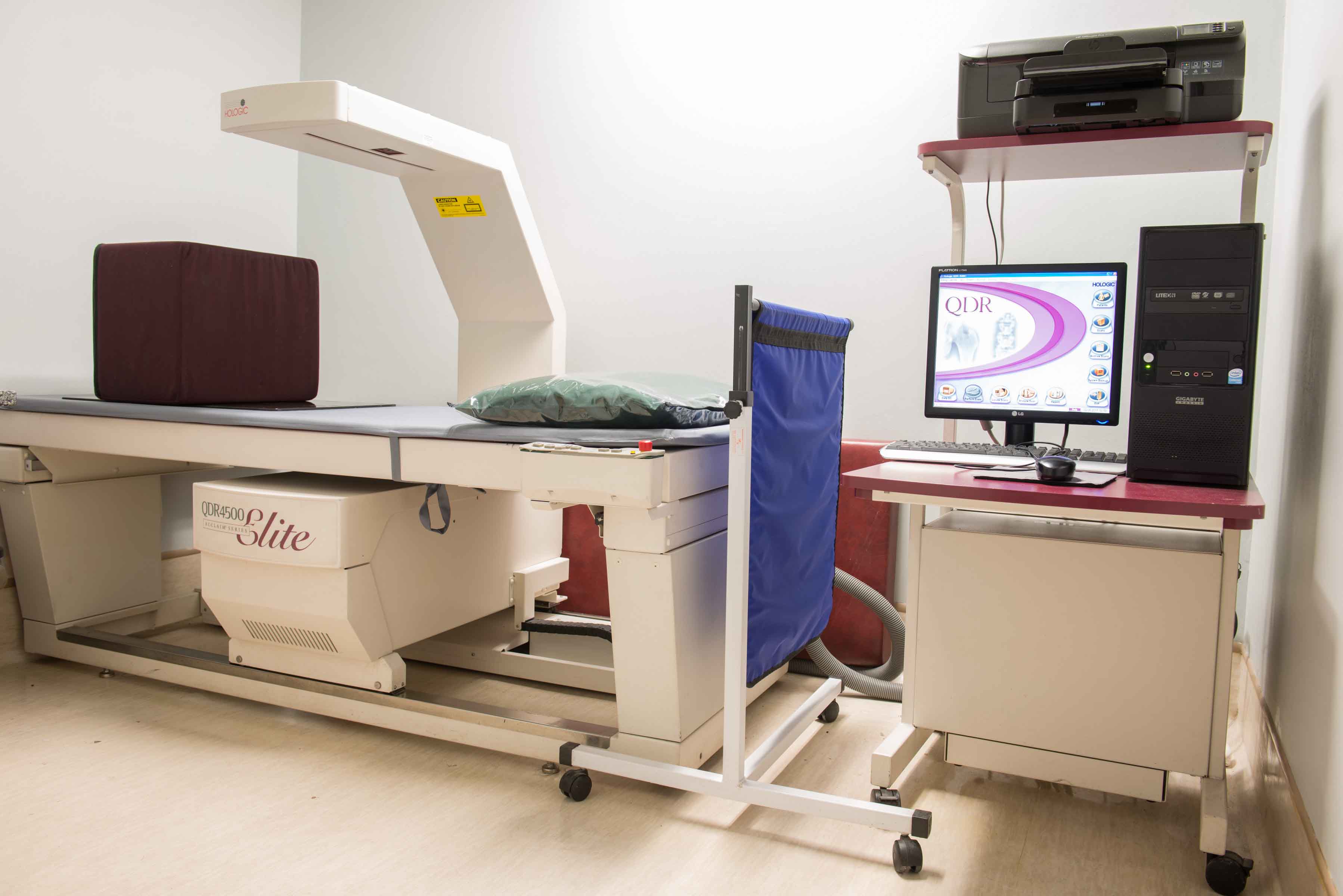
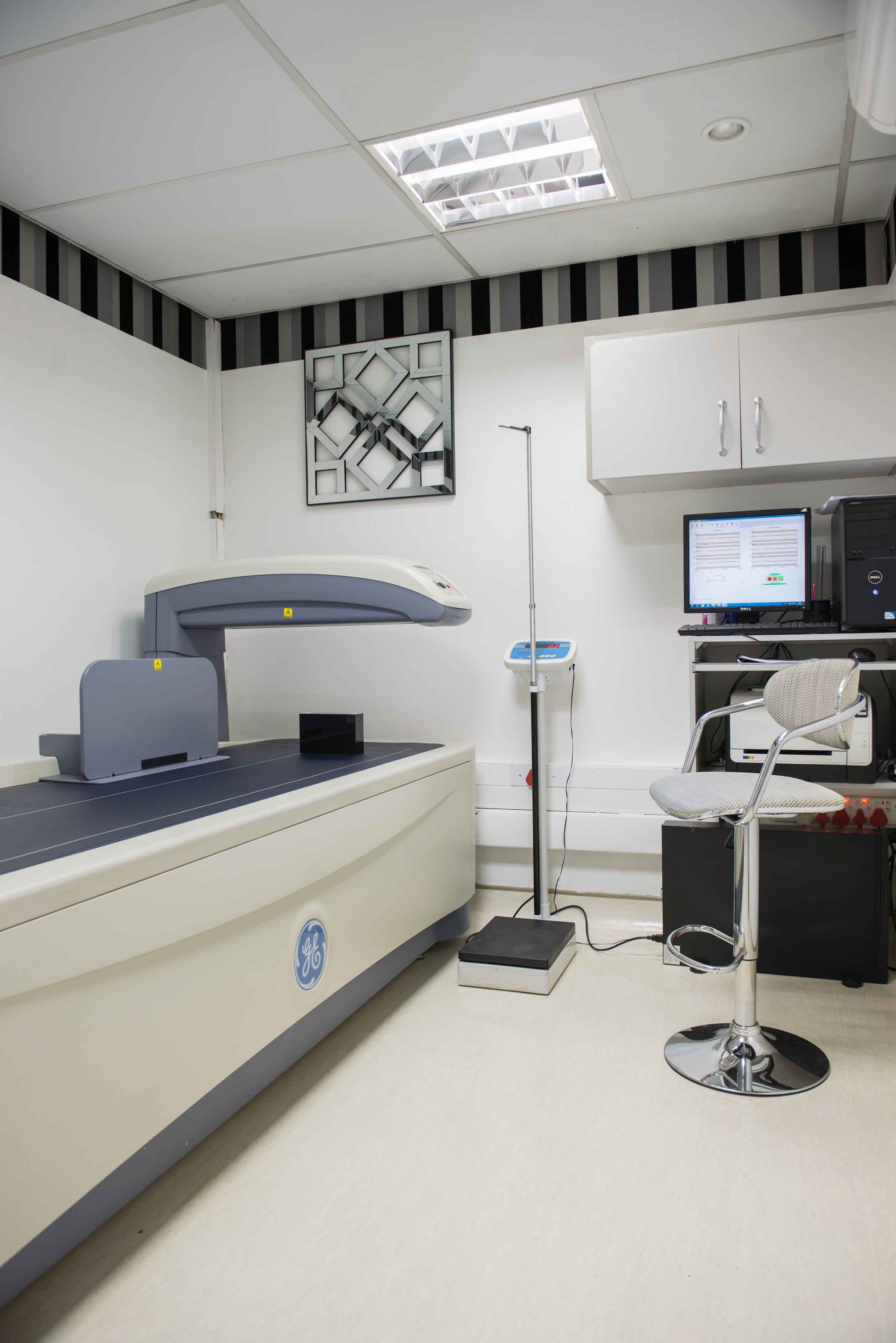
A bone density test – also called densitometry or DEXA scan measures your “bone mass” and determines whether you have osteoporosis or are at risk for osteoporosis.
How the Test is Performed
A Bone Mineral Density (BMD) test can help your doctor confirm a diagnosis of Osteoporosis. It is a helpful test for evaluating the probability of a fracture and whether or not any preventative treatment is needed.
Low dose X-Rays are used, evaluating your spine, hip or wrist for signs of bone, calcium and mineral loss.
Risk factors for Osteoporosis
Losing some bone mass as we age is normal. Bones naturally become thinner (called osteopenia) as you grow older. Osteopenia can lead to osteoporosis. Existing bone tissue is broken down faster than new bone is made. As this occurs, our bones lose calcium and other minerals. They also become lighter and less dense. This makes the bones weaker and you are more at risk for fractures.
A number of medicines can also cause bone loss if used over the long term (several years). Some common ones include:
- Glucocorticoids, also called steroids, such as cortisone and prednisone. They are used to treat arthritis, asthma, lupus, multiple sclerosis, and other conditions
- Some medicines such as phenytoin and phenobarbital, used to treat epilepsy.
- Gonadotropin-releasing hormone agonists (GnRH agonists), such as goserelin acetate and leuprolide acetate. They are used to treat endometriosis, prostate cancer, or female infertility.
- Aromatase inhibitors, such as anastrozole, exemestane, and letrozole. They are used to treat breast cancer.
If your bone density is lower than normal for your age, you can increase it with strength training, like exercising, lifting weights or using weight machines. You can also make sure to get enough calcium and vitamin D. Your doctor may also prescribe other medication.
How to Prepare for the Test and what to expect
You will be ask to remove jewellery and all metal over the area to be scanned. If needed, you will be given a hospital gown for the study. All metal objects interfere with image quality.
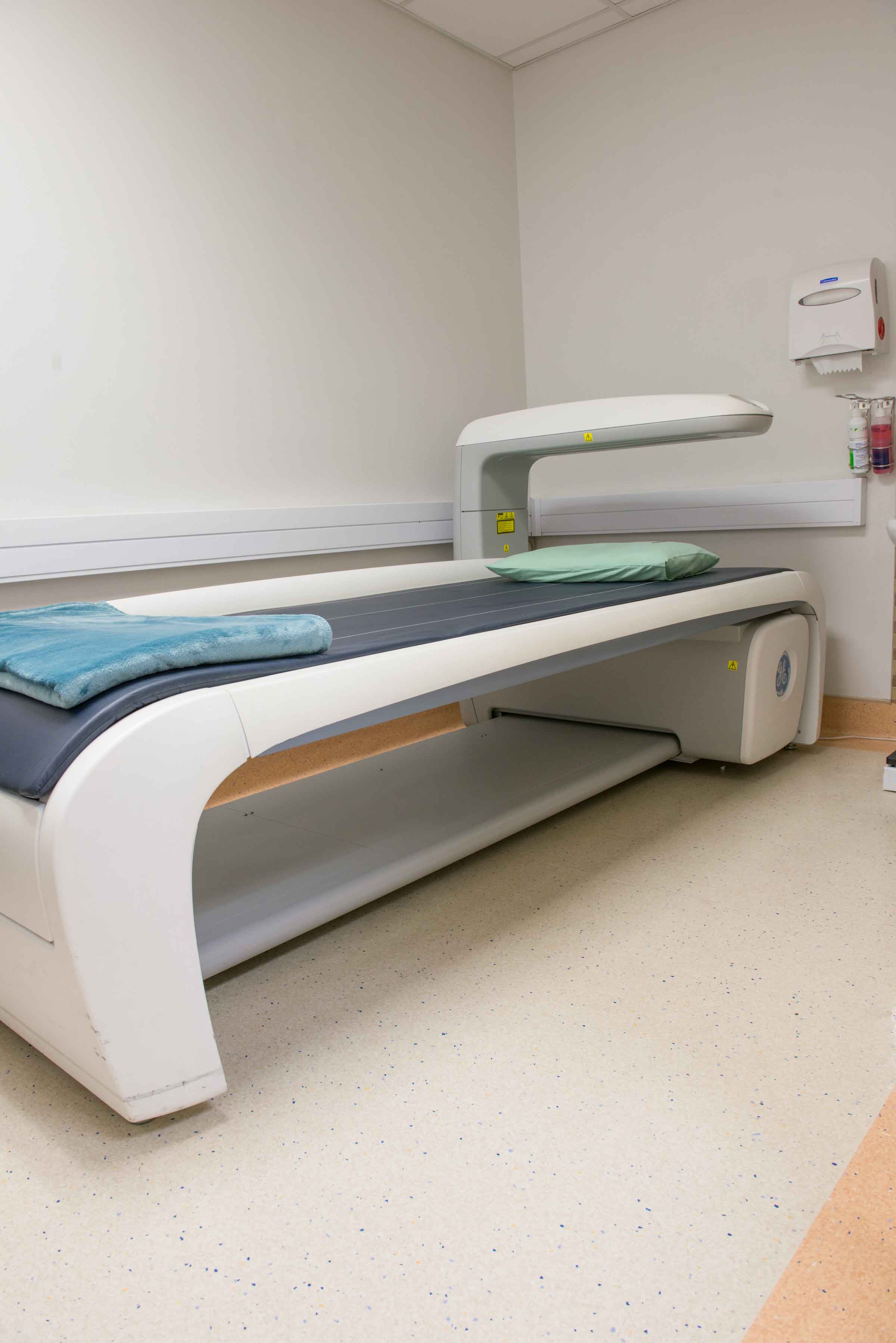
You will lie on a cushioned table while the scanner passes over your body. The radiographer will position you and acquire scans which are used for evaluation.
Bone density tests can take an average time of fifteen minutes or more. Methods of testing are non-invasive and safe. X-rays are involved so please let the radiographer know if you are pregnant.

Branches
Netcare N17 Hospital
bernita@nrsmail.co.za/ 011 815 2814
Ahmed Kathrada Private Hospital
aisha@nrsmail.co.za / 011 852 8820
Netcare Waterfall City Hospital
corne@nrsmail.co.za / 010 612 6669
/ 010 612 0612 / 011 304 7751
071 246 5759
Contact Head Office
National Radiology Services Inc.
12 Stirrup Lane
Woodmead
1682
Tel: 010 612 0271 / 010 612 0612